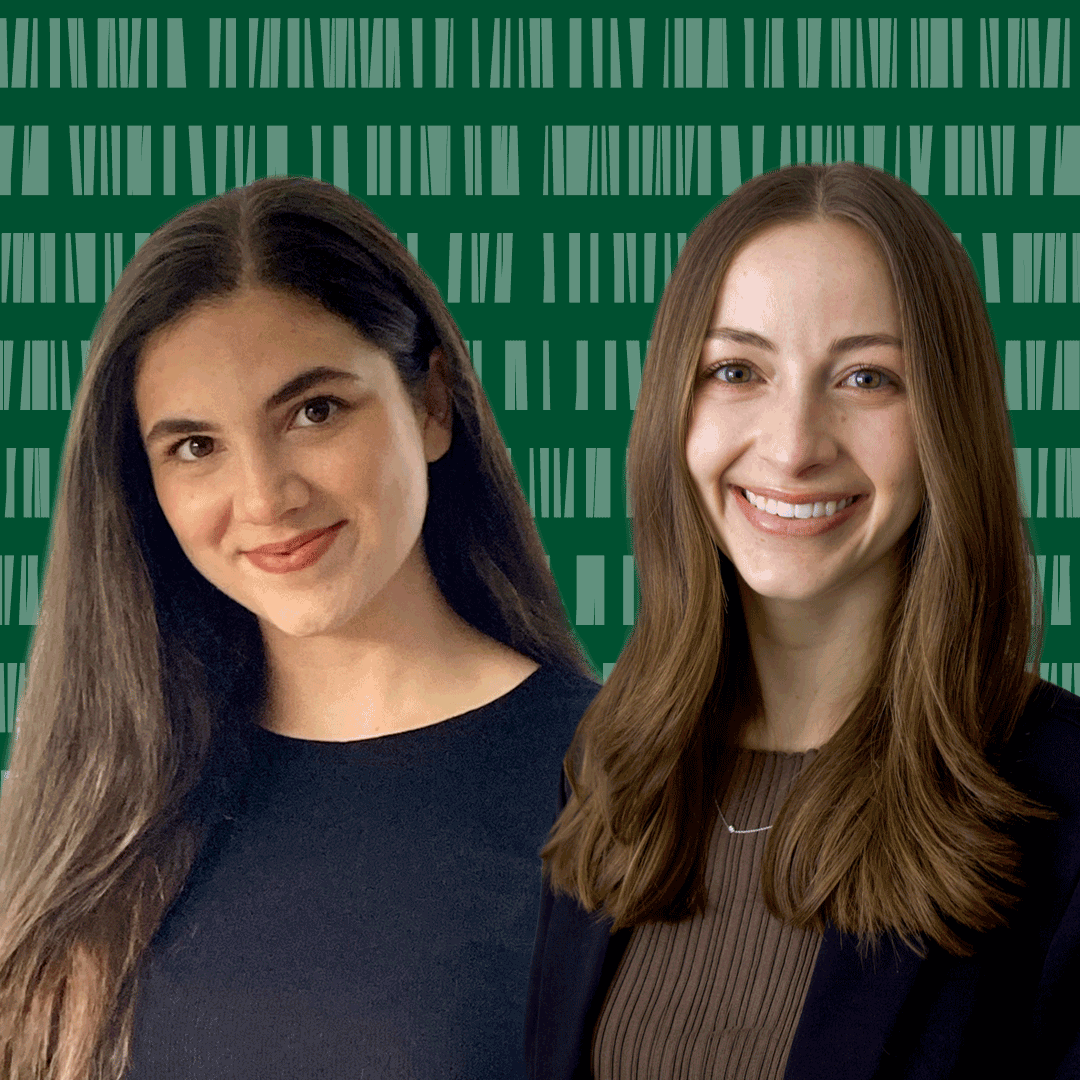
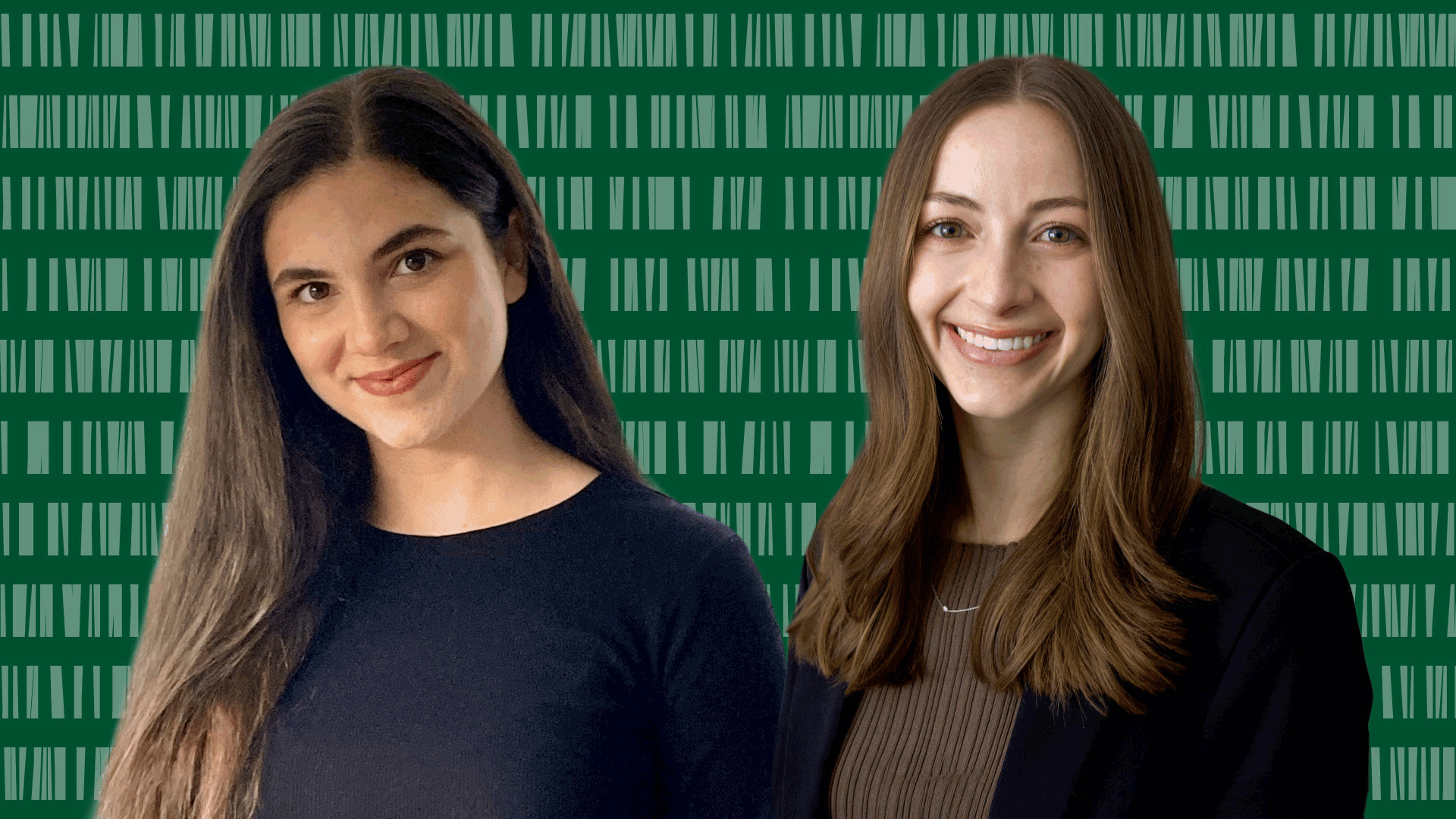
Sophia T. Gonzalez, M.S.P.H. ’23, and Chloe DiCamillo, M.P.H. ’24, from the Department of Public Health Sciences at the University of Miami Miller School of Medicine, recently published their thesis and capstone work in peer‑reviewed journals. Their studies contribute new evidence that strengthens understanding of substance‑use treatment and mental‑health research.
Assessing the Relationship Between BMI and Craving Among Individuals With Substance Use Disorder
Published in Eating and Weight Disorders – Studies on Anorexia, Bulimia and Obesity, Gonzalez’s thesis evaluated whether body mass index (BMI) influences drug craving among individuals with substance use disorder.
Pooling data from five clinical trials and grouping participants into four BMI categories, she examined the relationship between weight and craving while adjusting for age, depression, and other clinical variables. Her findings showed that higher BMI was not linked with greater craving, challenging long‑held assumptions about weight and addiction‑related behaviors.
Her work highlights the value of harmonized, multi‑site datasets and objective BMI measurements, laying the foundation for future studies that analyze eating behaviors and more detailed obesity indicators in treatment contexts.
Gonzalez completed the project under the mentorship of Viviana E. Horigian, M.D., M.H.A.; Tulay Koru‑Sengul, Ph.D., M.H.S., M.A.; Sara M. St. George, Ph.D.; and Daniel J. Feaster, Ph.D.
Dr. Horigian noted the importance of Gonzalez’s research, explaining that there is limited literature examining the relationship between substance cravings and food cravings. “Cravings for both substances and food exhibit similar patterns of brain activity, and food addiction is observed more often among individuals with substance use histories.”
“A distinguishing feature of her work is the innovative harmonization of measurement tools across various trials, utilizing primarily publicly available data sources. Additionally, BMI measurements were obtained objectively rather than self‑reported, minimizing potential errors and biases,” she added.
Gonzalez also presented her findings at the 86th Annual College on Problems of Drug Dependence (CPDD) Scientific Meeting in Montreal, where her poster received strong engagement from attendees.
Asynchronous Online Focus Groups: An Effective Approach to Engage Young Adult Women in Discussions on Mental Health Problems
Published in the International Journal of Qualitative Methods, DiCamillo's capstone research examined the use of asynchronous online focus groups (AOFGs) to engage young adult women in discussions about mental health. As part of the Learning Insights from Girls for Health (LIGHT) Study, 52 women ages 18-25 from across the United States participated in structured online conversations exploring mental health challenges and potential solutions.
Participants identified key strengths of the AOFG format: confidentiality, flexibility, equitable participation, and connection through shared perspectives, as well as limitations such as the absence of nonverbal cues, occasional disjointedness, and technical challenges.
Two central themes emerged from the qualitative analysis:
- Storytelling deepens insight into personal mental health experiences.
- Peer support emerges naturally, with participants offering empathy, validation, and encouragement.
The findings demonstrate that AOFGs offer a practical, adaptable approach for conducting sensitive qualitative research with young adult women and can help inform the development of future mental‑health interventions.
DiCamillo completed this work under the mentorship of Dr. Horigian and Dr. St. George. Her contributions support broader efforts within the LIGHT Study to better understand how digital platforms can facilitate meaningful mental‑health engagement.
“Sophia and Chloe are remarkable in their persistence and dedication, consistently demonstrating a strong commitment to their research endeavors. Their determination has played a crucial role in the successful completion and publication of their work,” said Dr. Horigian.
Written by Deycha Torres Hernández, published on February 24, 2026.