- Accessibility Options:
- Skip to Content
- Skip to Search
- Skip to footer
- Office of Disability Services
- Request Assistance
- 305-284-2374
- Display:
- Default
- High Contrast
- Apply
- About UM
- Give to UM
-
Schools
- School of Architecture
- College of Arts and Sciences
- Miami Herbert Business School
- School of Communication
- School of Education and Human Development
- College of Engineering
- School of Law
- Rosenstiel School of Marine, Atmospheric, and Earth Science
- Miller School of Medicine
- Frost School of Music
- School of Nursing and Health Studies
- The Graduate School
- Division of Continuing and International Education
- Alumni



- ICAA Highlights Pathways to Healthier Aging Across the Americas
- Miller School Ph.D. Alumnus Links Early-Life Debt and Premature Mortality in Lancet Public Health
- SoACE Honors Joba Odediran for Early Career Leadership
- Miller School Researchers Selected as 2025 ASEMFL Rising Stars
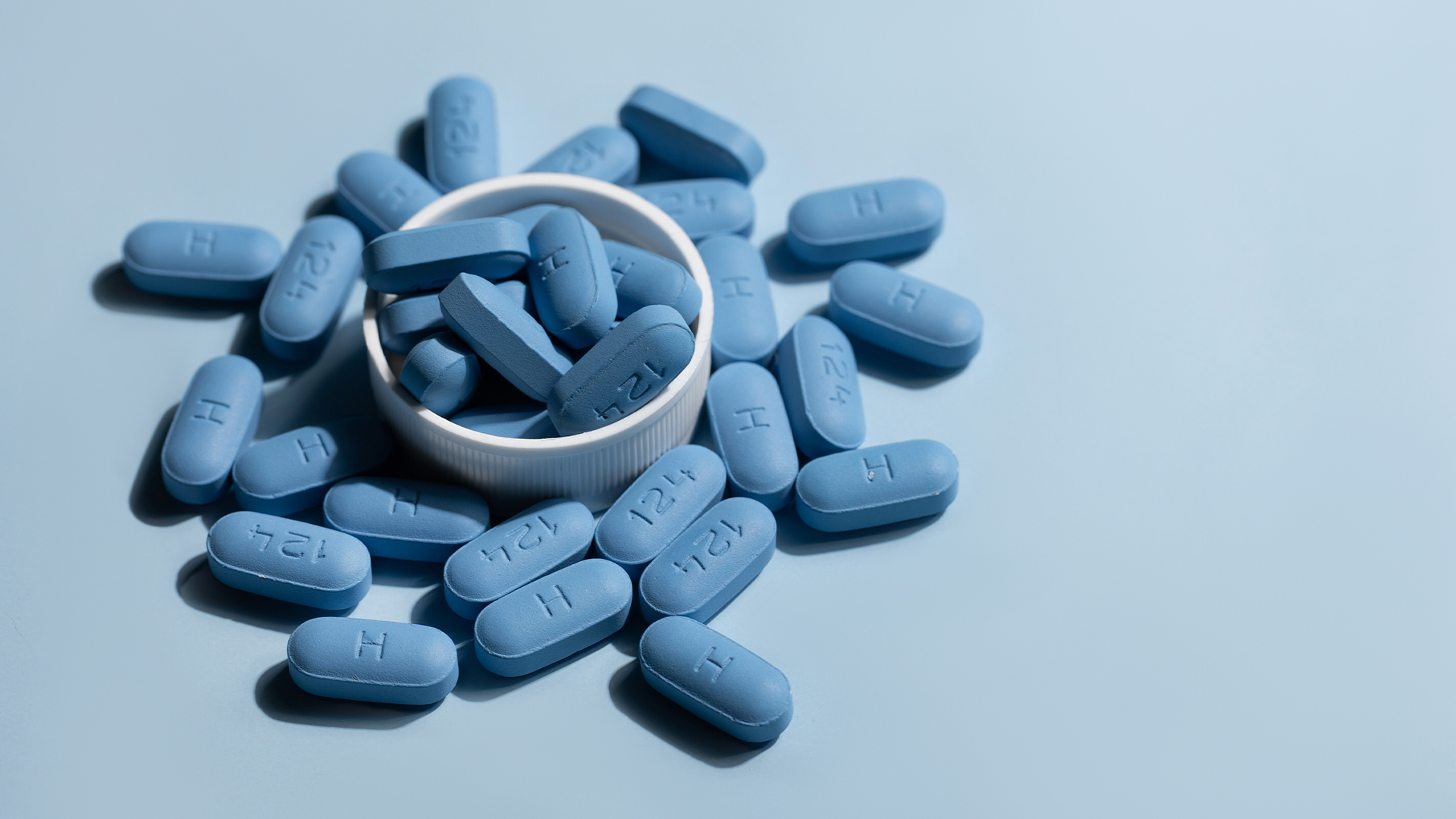
- Research Identifies Gaps in PrEP Uptake Among Women
- Epidemiology Students Present Research at the 2025 Sylvester Cancer Survivorship Symposium
- New National Study Explores How Language Influences Adolescent Mental Health Risks
- University of Miami Showcases Innovation and Community at the 2025 APHA Annual Meeting
- Viva La Vida Sana: Celebrating Culture and Community Through Public Health
- Empowering Student Wellness
- Department Strengthens Research Collaboration at ORA Symposium
- Advancing Together: Administrative Touchpoint
- Igniting Connection: Highlights from the Fall Powered By You Session
- Alumni Reception Celebrates Legacy and Leadership
- Firefighter Cancer Research Presented at ACE Annual Meeting
- Strengthening Support Systems to Improve HIV Outcomes
- Turning a Pandemic Pact into Action
- Fall Orientation Sets the Stage for Public Health Impact
- Early Career Preventionist Network Elects New Chair-Elect
- From Doctoral Training to National Impact
- A Note of Gratitude to Dr. David J. Lee
- Dr. Kathryn E. McCollister Appointed Interim Chair of the Department of Public Health Sciences
- Dr. Victor D. Rosenthal Appointed Director of the M.P.H. and M.S.P.H. Programs
- Dr. Viviana E. Horigian Appointed Vice Chair of Education
- Building Connections, Driving Impact Across Campuses
- Epidemiology Graduates Mark Centennial Year with Academic and Career Milestones
- Building Connections Beyond the Classroom
- Global Perspectives Shape Infection Control Dialogue at International Therapy Conference
- Celebrating the Next Generation of Public Health Leaders
- Preparing for Hurricane Season: Lessons in Safety and Readiness
- Faculty Recognized for Excellence in Mentorship and Teaching Innovation
- Women’s Commission Annual Breakfast Marks 50 Years of Advocacy
- From Campus to Community: Bridging Experience and Opportunity
- From Biomarkers to Icebreakers: Highlights from the Spring “Powered By You” Session
- Creating Space for Stillness
- Sylvester Researcher Discusses Cancer Prevention on Univision’s “Contigo en la Comunidad”
- Reimagining HIV/AIDS Care: Strategies for the Next Generation
- Graduate Student Recognized for Leadership and Public Health Impact
- Ph.D. in Epidemiology Program Supports Student Attendance and Presentations at SER Mid-Year Meeting
- Global Collaboration in Public Health: The Importance of the Pandemic Agreement
- Strengthening Collaboration: Graduate and Undergraduate Public Health Teams Unite
- Powered by You: Strengthening Connections and Collaboration
- Faculty Retreat Explores Innovations in Public Health Education
- ICAA Highlights Pathways to Healthier Aging Across the Americas
- Miller School Ph.D. Alumnus Links Early-Life Debt and Premature Mortality in Lancet Public Health
- SoACE Honors Joba Odediran for Early Career Leadership
- Miller School Researchers Selected as 2025 ASEMFL Rising Stars
- Research Identifies Gaps in PrEP Uptake Among Women
- Epidemiology Students Present Research at the 2025 Sylvester Cancer Survivorship Symposium
- New National Study Explores How Language Influences Adolescent Mental Health Risks
- University of Miami Showcases Innovation and Community at the 2025 APHA Annual Meeting
- Viva La Vida Sana: Celebrating Culture and Community Through Public Health
- Empowering Student Wellness
- Department Strengthens Research Collaboration at ORA Symposium
- Advancing Together: Administrative Touchpoint
- Igniting Connection: Highlights from the Fall Powered By You Session
- Alumni Reception Celebrates Legacy and Leadership
- Firefighter Cancer Research Presented at ACE Annual Meeting
- Strengthening Support Systems to Improve HIV Outcomes
- Turning a Pandemic Pact into Action
- Fall Orientation Sets the Stage for Public Health Impact
- Early Career Preventionist Network Elects New Chair-Elect
- From Doctoral Training to National Impact
- A Note of Gratitude to Dr. David J. Lee
- Dr. Kathryn E. McCollister Appointed Interim Chair of the Department of Public Health Sciences
- Dr. Victor D. Rosenthal Appointed Director of the M.P.H. and M.S.P.H. Programs
- Dr. Viviana E. Horigian Appointed Vice Chair of Education
- Building Connections, Driving Impact Across Campuses
- Epidemiology Graduates Mark Centennial Year with Academic and Career Milestones
- Building Connections Beyond the Classroom
- Global Perspectives Shape Infection Control Dialogue at International Therapy Conference
- Celebrating the Next Generation of Public Health Leaders
- Preparing for Hurricane Season: Lessons in Safety and Readiness
- Faculty Recognized for Excellence in Mentorship and Teaching Innovation
- Women’s Commission Annual Breakfast Marks 50 Years of Advocacy
- From Campus to Community: Bridging Experience and Opportunity
- From Biomarkers to Icebreakers: Highlights from the Spring “Powered By You” Session
- Creating Space for Stillness
- Sylvester Researcher Discusses Cancer Prevention on Univision’s “Contigo en la Comunidad”
- Reimagining HIV/AIDS Care: Strategies for the Next Generation
- Graduate Student Recognized for Leadership and Public Health Impact
- Ph.D. in Epidemiology Program Supports Student Attendance and Presentations at SER Mid-Year Meeting
- Global Collaboration in Public Health: The Importance of the Pandemic Agreement
- Strengthening Collaboration: Graduate and Undergraduate Public Health Teams Unite
- Powered by You: Strengthening Connections and Collaboration
- Faculty Retreat Explores Innovations in Public Health Education